
EQUITY · 4 MIN READ
Long-Term Equity Investment
Why Long-Term Equity Investment Can Be an Important Part of Your Financial Journey
Ritesh Raval · 30 October 2026
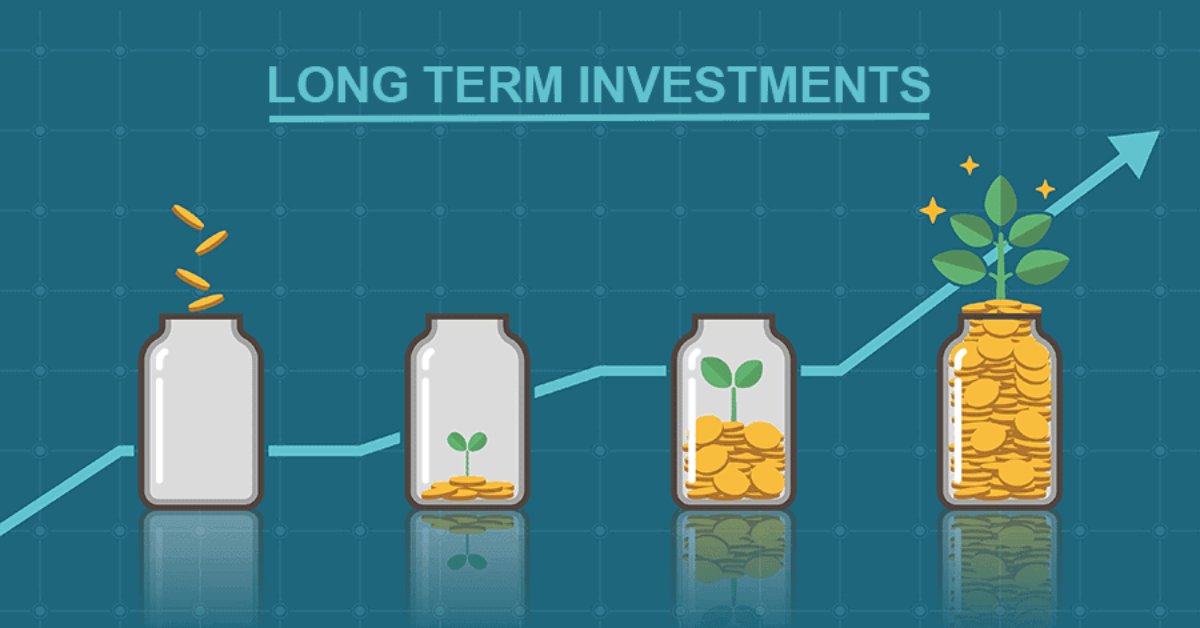
Long-Term Equity Investment: The Power of Patience, Research and Discipline
Introduction
Investing is not just about earning money; it is about making informed financial decisions for the future.
Many people enter the stock market expecting quick profits. However, equity investing is generally better approached with a long-term perspective, proper research and financial discipline.
Long-term equity investment allows investors to participate in the potential growth of businesses while understanding that stock market investments are subject to market risks.
1. What Is Long-Term Equity Investment?
Long-term equity investment involves purchasing shares of listed companies and holding them over an extended period, depending on your financial goals and investment strategy.
When you purchase shares of a company, you become a shareholder and participate in its business ownership.
If the company performs well and grows over time, its share price may appreciate. However, business performance, economic conditions and market sentiment can also negatively affect share prices.
There are no guaranteed returns in equity investments.
2. Why Consider Long-Term Investing?
A long-term investment approach offers several potential benefits:
Power of Compounding: Reinvesting dividends and allowing investments to remain invested over time may create a compounding effect.
Participation in Business Growth: Investors can participate in the potential growth of companies and industries.
Financial Discipline: A long-term approach encourages investors to focus on financial goals rather than short-term market movements.
Reduced Focus on Daily Volatility: Investors with a suitable investment horizon may be better positioned to avoid impulsive decisions based on daily market fluctuations.
However, long-term investing does not eliminate market risk or guarantee profits.
3. How to Select Stocks for Long-Term Investment?
Before investing in any company, it is important to understand its business and financial position.
Consider these important factors:
- Business Model: Understand how the company generates revenue and earns profits.
- Financial Performance: Analyse revenue, profitability and cash flow.
- Debt Levels: Evaluate the company's debt and financial stability.
- Management Quality: Study management experience, transparency and corporate governance.
- Industry Outlook: Understand the opportunities and challenges in the company's sector.
- Valuation: Evaluate whether the share price is reasonable compared with the company's fundamentals.
Never invest simply because a stock is trending or someone has recommended it.
4. Importance of Portfolio Diversification
Putting all your investment money into one company or sector can increase concentration risk.
Diversification means spreading investments across different companies, sectors and asset classes according to your financial goals and risk appetite.
It can help reduce the impact of poor performance in an individual investment. However, diversification cannot eliminate market risk.
5. Avoid Emotional Investment Decisions
Stock markets move through different phases, including bull markets, bear markets and sideways markets.
During market corrections, investors may panic and sell investments without reviewing the fundamentals.
Similarly, during market rallies, investors may buy stocks at high valuations due to excitement or fear of missing out.
A disciplined investor should periodically review the company's financial performance, business outlook and investment suitability.
Investment decisions should be based on research and financial objectives rather than emotions or market rumours.
6. Plan Before You Invest
Before entering the equity market, consider the following:
- Maintain an adequate emergency fund.
- Understand your investment horizon.
- Assess your financial situation and risk appetite.
- Avoid investing money needed for immediate expenses.
- Diversify your investments appropriately.
- Review your portfolio periodically.
A well-planned investment strategy should always consider both potential returns and possible losses.
Conclusion: Invest With Knowledge and Patience
Long-term equity investment is not a shortcut to becoming wealthy. It requires research, patience, discipline and an understanding of market risks.
Instead of focusing only on short-term price movements, investors should focus on business fundamentals, financial goals and informed decision-making.
Remember: The objective should not be to predict every market movement but to make investment decisions that are aligned with your financial goals and risk tolerance.
Invest with knowledge. Stay disciplined. Think long term.
IMPORTANT DISCLAIMER
This article is published strictly for educational and informational purposes only.
The information provided does not constitute investment advice, research recommendations, or an offer or solicitation to buy, sell or deal in any securities.
Investments in securities markets are subject to market risks. Please read all related documents carefully before investing.
There is no assurance or guarantee of fixed, assured or expected returns or profits from equity investments. Past performance is not indicative of future results.
Investors should conduct their own independent research and consider their financial objectives, investment horizon and risk appetite before making investment decisions. They may consult a SEBI-registered Investment Adviser where appropriate.
The content is general in nature and should not be considered suitable for every investor.
For general education only — not investment or insurance advice. Read the policy wording or scheme documents before you decide.

Comments
No comments yet.
Thank you! Your comment will show here after our team reads it.